
Charleston Food Tours: Celebrating America’s 250th Anniversary Through Charleston’s Culinary History
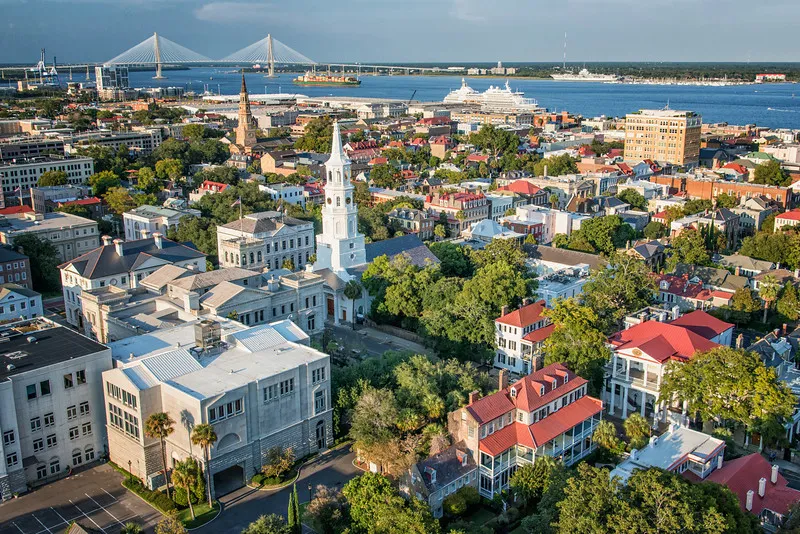
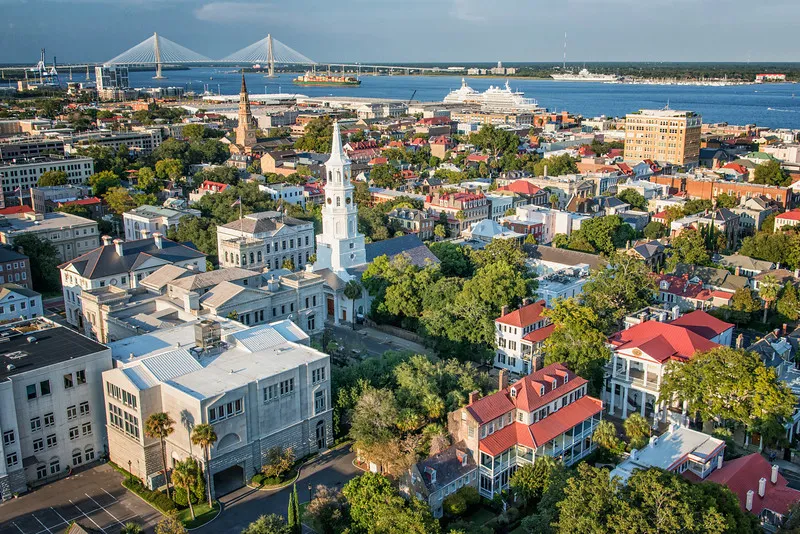
As the United States prepares to celebrate its 250th anniversary in 2026, there has never been a better time to explore the nation’s history through Charleston Food Tours. Charleston is one of America’s oldest cities, and its cuisine reflects centuries of influence from Africa, Europe, and the Caribbean. Today, Charleston Food Tours offer visitors a unique opportunity to experience how the flavors of the Lowcountry helped shape American cuisine from the colonial era to the present day.
Founded in 1670, Charleston quickly became one of the most important port cities in early America. Long before independence, the city served as a gateway for ingredients, spices, and culinary traditions entering the colonies. Guests walking through the historic district on Charleston Food Tours experience neighborhoods where merchants, farmers, and cooks helped define the flavors that would become central to Southern cooking.
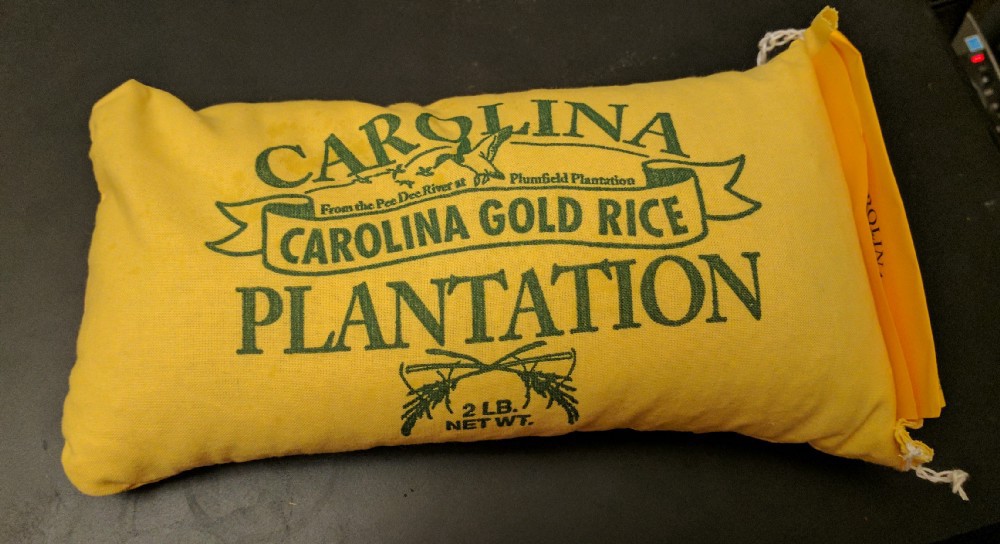
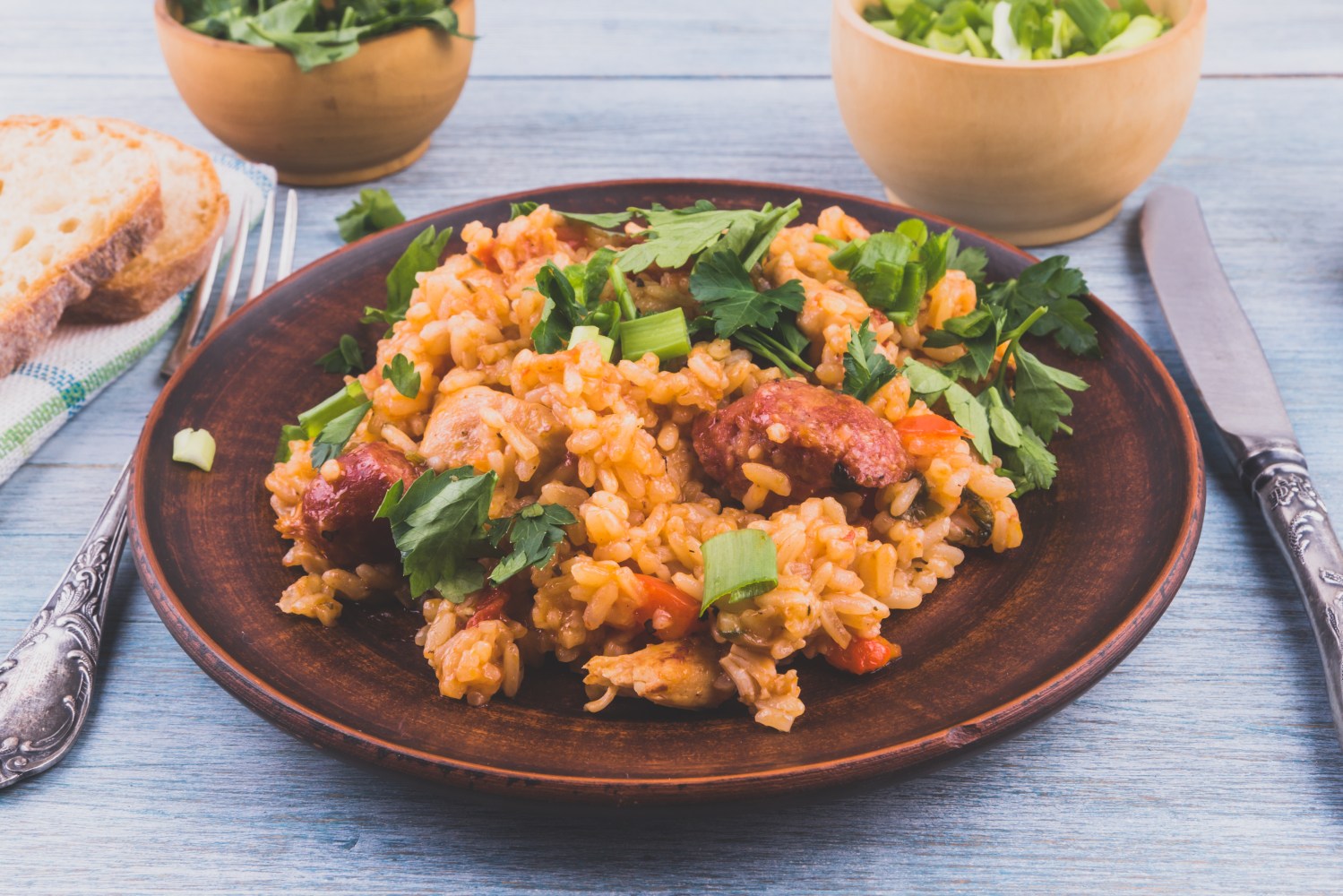
One of Charleston’s greatest culinary contributions to early America was Carolina Gold rice. This heirloom grain transformed the Lowcountry economy during the 18th century and helped establish Charleston as one of the wealthiest cities in colonial North America. The agricultural expertise of enslaved West Africans played a major role in the success of rice cultivation, and Charleston Food Tours frequently highlight dishes such as red rice and perloo that trace their roots directly to this history.
The Gullah Geechee culture remains one of Charleston’s most important culinary influences. Ingredients like okra, benne seeds, and field peas entered American kitchens through traditions preserved by Gullah Geechee communities. Charleston Food Tours introduce visitors to these ingredients while explaining their role in shaping Lowcountry cuisine and American food traditions more broadly.
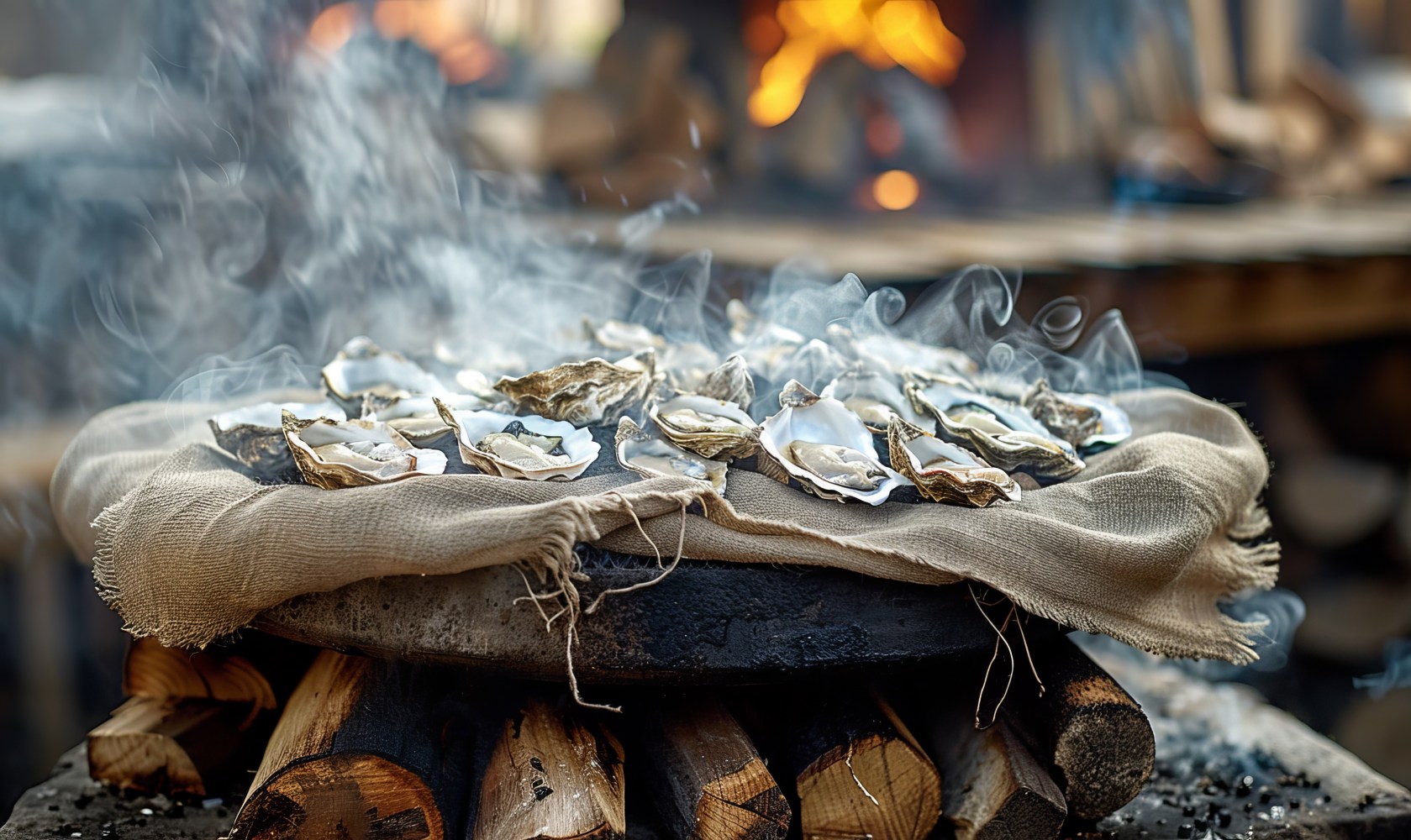
Charleston’s coastal location made seafood a defining feature of its culinary identity. Oysters were once so abundant they were used to pave streets throughout the city. Shrimp, blue crab, and local fish supported generations who relied on the harbor for daily meals. Today, Charleston Food Tours continue to showcase these ingredients through tastings reflecting centuries of maritime heritage.
![Shrimp and grits Charleston South Carolina]](https://charlestonculinarytours.com/wp-content/uploads/sites/7545/2026/04/Shrimp-Grits.jpeg?w=1000&h=1000)
Shrimp and grits is perhaps the best-known dish associated with Charleston. Originally a simple fishermen’s breakfast, it has become one of the South’s most celebrated culinary icons. Guests on Charleston Food Tours frequently discover how this humble dish evolved into a signature menu item served across the country.
Charleston’s role as an international port introduced spices, citrus, tea, coffee, and sugar to colonial kitchens earlier than in many American cities. These ingredients helped Charleston develop one of the earliest refined regional cuisines in the United States. Modern Charleston Food Tours highlight how this global influence continues shaping the dining scene today.During the American Revolution, Charleston played a central strategic role as both a military stronghold and supply port. At the same time, local households preserved recipes blending European techniques with local ingredients. These recipes eventually appeared in early cookbooks such as The Carolina Housewife, ensuring Charleston’s culinary traditions remained part of America’s food story.
As the country celebrates its 250th anniversary, Charleston Food Tours provide a meaningful way to connect with the people, ingredients, and traditions that helped define American cuisine. From Carolina Gold rice fields to oyster roasts and historic markets, every stop reveals another layer of Charleston’s contribution to the nation’s culinary heritage.
There is no better way to experience the story of American food than by exploring Charleston one bite at a time. Book a Charleston Food Tour and taste the history that shaped a nation.